
I Have a Big Overbite. What Does That Really Mean?
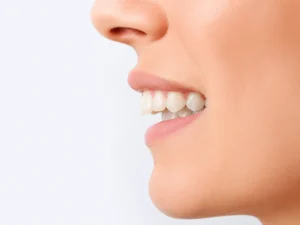
If you have ever looked in the mirror and thought, “I have a big overbite,” you are not alone. Many patients visit Glow Dental in Freeport, NY, with concerns about how their teeth look or fit together, but few understand what an overbite is and whether it requires treatment.
Let us break down what a “big overbite” really means, how it can affect your oral health, and what treatment options may be available.
What Is an Overbite?
An overbite refers to the vertical overlap of your upper front teeth over your lower front teeth when you bite down. A small overbite is completely normal and helps protect your teeth during chewing.
Most people have an overbite of about 2 to 4 millimeters. When the upper teeth excessively cover the lower teeth, dentists may describe this as a deep overbite or excessive overbite.
Overbite vs. Overjet: What Is the Difference?
Many people use the term “overbite” when they mean “overjet.”
- Overbite: The vertical overlap of the upper teeth over the lower teeth.
- Overjet: The horizontal distance between the upper front teeth and lower front teeth, often causing the upper teeth to appear as though they stick out.
If you have ever looked at your smile and thought, “My front teeth stick out,” the issue may not be an overbite. In many cases, what patients describe as an overbite is excessive overjet. The only way to know for sure is through a dental examination, where your dentist or orthodontist can evaluate how your teeth and jaws fit together.
What Causes a Large Overbite?
Several factors can contribute to a significant overbite, including:
- Genetics and inherited jaw structure
- Thumb sucking during childhood
- Extended pacifier use
- Tongue thrusting habits
- Missing teeth
- Improper jaw development
- Teeth grinding and wear
In many cases, a large overbite develops gradually and may worsen if left untreated.
Can a Big Overbite Cause Problems?
Some overbites are primarily cosmetic, while others can lead to oral health concerns, including:
- Excessive Tooth Wear: When teeth do not align properly, certain teeth absorb more force during chewing, leading to accelerated wear, chipping, and fractures.
- Jaw Pain and TMJ Symptoms: An improper bite can place extra stress on the jaw joints and surrounding muscles, potentially contributing to jaw discomfort, headaches, clicking, or popping.
- Gum Recession: In severe cases, the lower front teeth may contact the gums behind the upper teeth, causing irritation and tissue damage.
- Difficulty Chewing: A significant overbite can make it harder to bite into and chew certain foods comfortably.
- Speech Concerns: Some patients notice difficulty pronouncing certain sounds due to tooth positioning and bite relationships.
When Should You See an Orthodontist About Your Overbite?
You should schedule an evaluation if:
- Your upper teeth significantly cover your lower teeth
- Your front teeth appear to stick out
- You have difficulty chewing
- You experience frequent tooth chipping or wear
- You have jaw pain or headaches
- You are unhappy with the appearance of your smile
Many adults assume they are too old to correct bite issues, but modern orthodontic treatment offers more options than ever before.
Schedule an Overbite Consultation at Glow Dental in Freeport, NY
If someone has told you that you have a big overbite, or if you are wondering whether your bite is healthy, the best next step is a professional evaluation.
At Glow Dental, our orthodontist, Dr. Tatarsky, can assess your bite, determine whether you have an overbite, overjet, or another orthodontic concern, and recommend personalized treatment options to improve both the appearance and function of your smile.
Whether you are concerned about aesthetics, tooth wear, jaw discomfort, or long-term oral health, we are here to help.
Schedule a consultation with Dr. Tatarsky today by calling or texting 516-345-3031.
Glow Dental proudly serves patients in Freeport, Merrick, Baldwin, Oceanside, Roosevelt, and surrounding Long Island communities.